
Categories
Education, Real Estate Trends & Local LivingPublished July 24, 2026
The Bay Area-to-Valley Shift: Is Moving to the Central Valley Still Worth the Commute in 2026?
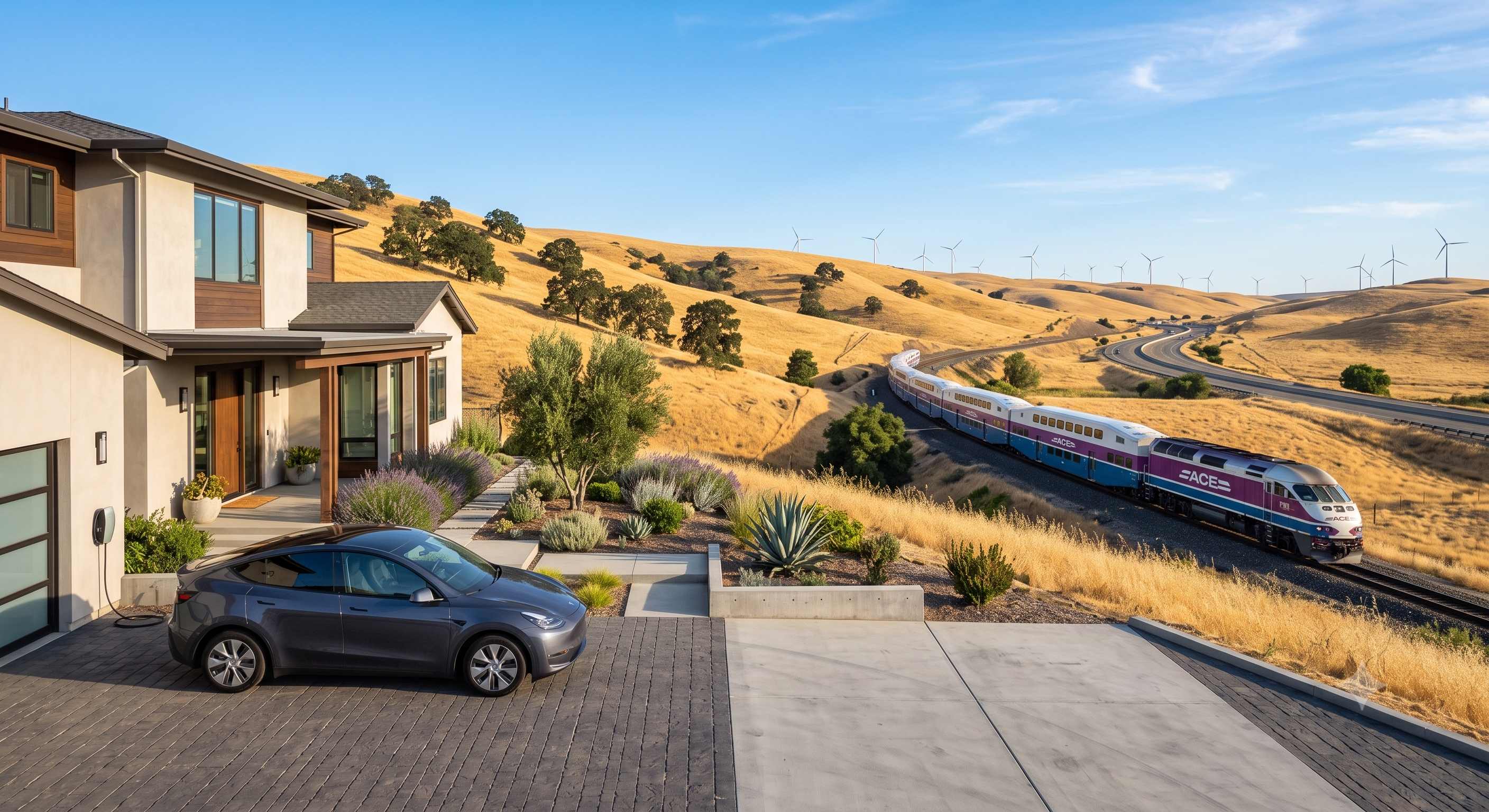
For years, trading a cramped Bay Area rental or condo for a spacious Central Valley property has been one of Northern California's most popular wealth-building strategies. Homebuyers willingly move inland to secure single-family homes with yards, quiet neighborhoods, and strong local communities.
However, with hybrid work schedules becoming a permanent norm and regional transit options expanding, the commute equation looks very different today.
If you are evaluating whether moving from the Bay Area to Modesto, Manteca, or Turlock makes financial and lifestyle sense this year, here is an honest look at the numbers, infrastructure upgrades, and housing advantages.
1. The Numbers: Purchasing Power Comparison
The fundamental math driving the migration hasn't changed—your money simply stretches significantly further in the Valley.
While a starter townhouse or condo in Santa Clara or Alameda County routinely commands over $1 million, the median sale price for a home in Modesto sits around $456,000.
For many buyers, that price gap represents the difference between:
-
Renting indefinitely vs. building equity in a single-family home.
-
A small 2-bedroom condo vs. a 4-bedroom home with a pool, yard, and outdoor patio.
2. The Transit Game-Changer: The ACE Train Infrastructure
The biggest hurdle to living in the Valley used to be spending hours stuck on Highway 99 or the Altamont Pass. However, regional infrastructure upgrades are easing that friction point.
The Altamont Corridor Express (ACE Train) connects Central Valley stops directly to Silicon Valley employment hubs like Tri-Valley, Fremont, and San Jose. For professionals commuting 2 to 3 days a week, the train transforms lost driving time into productive work hours or relaxation.
3. Quality of Life & Local Community Upgrades
Relocating to cities like Modesto, Ripon, or Manteca is more than a financial decision—it’s a lifestyle upgrade.
-
Spacious Living: Enjoy larger lot sizes, quieter streets, and established neighborhood communities.
-
Local Culture: Experience thriving downtown dining scenes, proximity to Yosemite, local wineries, and outdoor recreation.
-
Family Focus: Access top-rated local school districts, expansive public parks, and youth sports programs.
4. Tips for Managing the Transition
If you're planning to make the leap this year, keep these practical tips in mind:
-
Test the Commute: Do a test run during your actual work hours—both by car and on the ACE Train—to set realistic expectations.
-
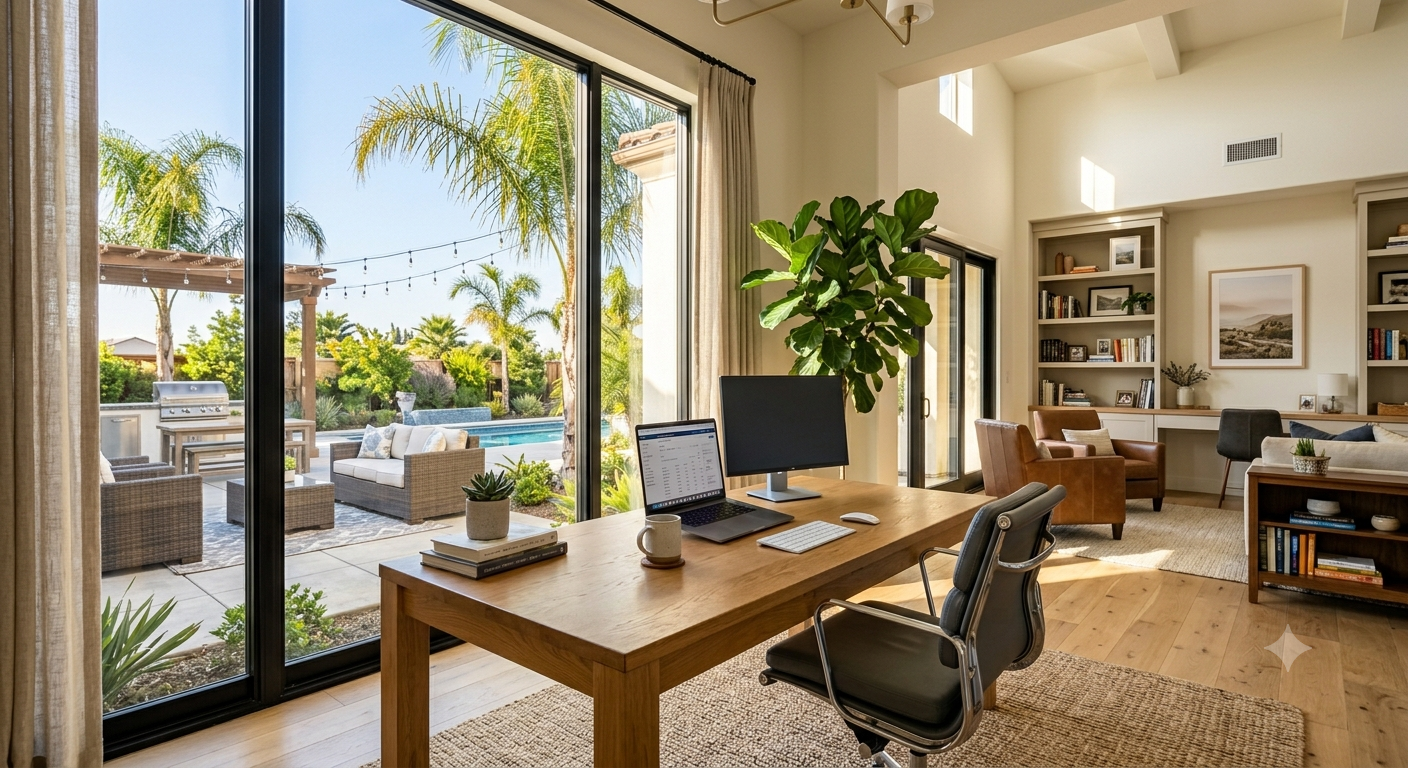
Prioritize Home Office Space: Since hybrid work is key, target properties with dedicated office layouts or backyard space suitable for a detached workspace.
-
Partner with Local Experts: Working with a local team like The Del Real Group gives you an insider advantage on micro-market pricing, neighborhood trends, and off-market opportunities.
Trading a high-cost Bay Area footprint for a spacious Central Valley home remains one of the smartest long-term real estate moves in California. With improved transit connectivity and unmatched housing value, the return on investment extends beyond your bank account—it elevates your daily quality of life.
Thinking about making the move?
Explore available homes on our Search Listings Page or Connect with The Del Real Group today to plan your transition!
THE DEL REAL GROUP
| The Del Real Group | PMZ Real Estate
or another way